
Exploring the world of top skylight integration plans unveils a realm where architectural design meets the play of natural light. From enhancing ambiance to improving energy efficiency, skylights are a crucial element in modern architectural projects. Let's delve into the importance, factors to consider, types, and best practices of skylight integration plans.
Importance of Skylight Integration Plans
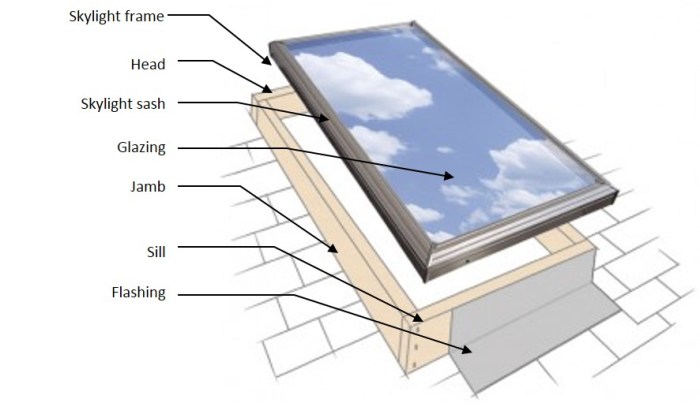
Skylight integration plans play a crucial role in architectural design by enhancing the overall aesthetics and functionality of a space. They allow natural light to penetrate indoors, creating a more inviting and visually appealing environment.
Enhancing Natural Lighting
Skylights can significantly increase the amount of natural light entering a building, reducing the need for artificial lighting during the day. This not only helps in creating a brighter and more vibrant space but also contributes to the well-being of occupants by providing exposure to natural light.
Impact on Energy Efficiency
By harnessing natural light, skylights can help reduce energy consumption and lower utility costs. They can also provide passive heating benefits in colder climates, reducing the reliance on heating systems. This makes skylight integration plans an environmentally friendly and sustainable choice for buildings.
Enhancing Aesthetics
In addition to their functional benefits, skylights can add a touch of elegance and sophistication to a building's design. They can create visually striking focal points, enhance architectural features, and even improve the overall value of the property.
Factors to Consider in Skylight Integration

When designing skylight integration plans, architects must consider several key factors to ensure optimal performance and functionality. Factors such as positioning, size, and material selection play a crucial role in maximizing natural light, improving energy efficiency, and enhancing the overall aesthetics of the space.
Positioning and Size of Skylights
The positioning and size of skylights are critical aspects to consider when integrating them into a building design. Proper placement of skylights can significantly impact the amount of natural light that enters the space. Architects should strategically position skylights to capture the maximum amount of sunlight throughout the day.
Additionally, the size of the skylights should be proportionate to the room size to ensure adequate lighting without causing overheating or excessive glare.
Material Selection for Skylights
The selection of materials for skylights can greatly affect their performance and durability. Architects must choose materials that are not only aesthetically pleasing but also durable and energy-efficient. For example, using low-emissivity glass can help reduce heat loss in the winter and heat gain in the summer, improving overall energy efficiency.
Additionally, selecting high-quality framing materials, such as aluminum or PVC, can enhance the durability and longevity of the skylights, ensuring they remain functional for years to come.
Types of Skylight Integration Plans

When it comes to integrating skylights into architectural designs, there are several types of skylights commonly used. Each type has its own benefits and drawbacks, which can influence the overall design and functionality of the space. Let's compare and contrast these different types of skylights and explore some innovative integration designs from recent architectural projects.
Fixed Skylights
Fixed skylights are stationary and cannot be opened. They are a popular choice for bringing natural light into a space without ventilation. The benefits of fixed skylights include increased natural light, energy efficiency, and a sleek design. However, drawbacks may include limited ventilation and potential heat gain.
Ventilating Skylights
Ventilating skylights, also known as roof windows, can be opened to allow for ventilation in addition to natural light. These skylights are great for spaces that require airflow, such as kitchens and bathrooms. The benefits of ventilating skylights include improved air circulation, natural ventilation, and the ability to control temperature.
Drawbacks may include potential leaks if not properly installed.
Tubular Skylights
Tubular skylights are smaller in size and are ideal for spaces where a traditional skylight may not fit. They use reflective tubes to capture and diffuse natural light into the space. The benefits of tubular skylights include flexibility in installation, energy efficiency, and cost-effectiveness.
However, drawbacks may include limited light output compared to traditional skylights.
Skylight Walls
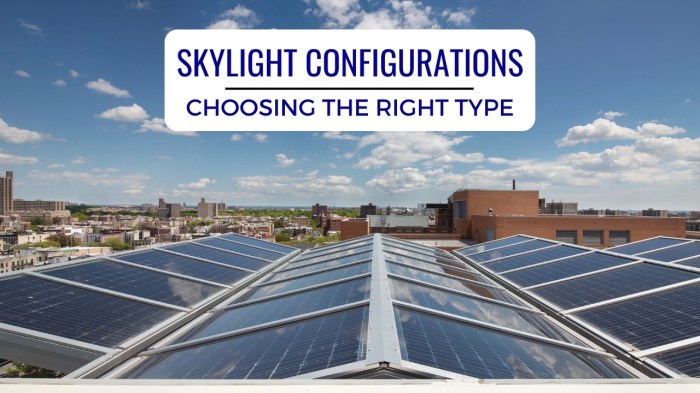
Skylight walls are large expanses of glass that provide a dramatic effect by flooding a space with natural light. They are often used in modern architectural designs to create a sense of openness and connection to the outdoors. The benefits of skylight walls include abundant natural light, visual appeal, and a seamless integration with the surrounding environment.
Drawbacks may include increased heat gain and potential privacy concerns.
Examples of Innovative Skylight Integration Designs
Innovative skylight integration designs can be seen in projects like the Louvre Abu Dhabi, where a stunning latticed dome allows natural light to filter through and create a dynamic play of light and shadow. Another example is the Apple Park Visitor Center, which features a massive skylight roof that not only provides natural light but also contributes to the building's sustainable design.
These examples showcase how skylights can be creatively integrated into architectural projects to enhance the overall aesthetic and functionality of a space.
Best Practices for Implementing Skylight Integration
When it comes to incorporating skylights into architectural designs, following best practices is essential to ensure a successful integration. Architects can benefit from a step-by-step process, awareness of common challenges, and tips for maintenance to achieve optimal results.
Step-by-Step Process for Architects
Architects can follow these steps to seamlessly integrate skylights into their designs:
- Conduct a thorough site analysis to determine the best location for skylights based on natural light exposure.
- Consider the building orientation and roof structure to ensure proper installation and functionality of skylights.
- Collaborate with structural engineers to assess load-bearing capacity and ensure skylights are installed safely.
- Select high-quality skylight materials that are energy-efficient and durable for long-term performance.
- Integrate skylights seamlessly into the overall design aesthetic to enhance the space and create a harmonious environment.
Common Challenges and Solutions
During skylight integration, architects may encounter challenges such as leaks, excessive heat gain, or glare. To overcome these challenges:
- Ensure proper waterproofing and insulation around skylights to prevent leaks and maintain a comfortable indoor environment.
- Consider using low-emissivity coatings or shading devices to reduce heat gain and glare while maximizing natural light penetration.
- Regularly inspect and maintain skylights to address any issues promptly and extend their lifespan.
Maintenance Tips for Skylights
To ensure longevity and optimal performance of skylights, architects should advise clients on proper maintenance practices:
- Regularly clean skylight surfaces to remove dirt, debris, and mineral deposits that can obstruct natural light.
- Check for any signs of damage, such as cracks or leaks, and repair them immediately to prevent further issues.
- Inspect seals, gaskets, and flashing around skylights to ensure they are intact and functioning correctly to prevent water infiltration.
- Trim nearby trees or vegetation that may obstruct sunlight or pose a risk of falling debris onto skylights.
Conclusive Thoughts
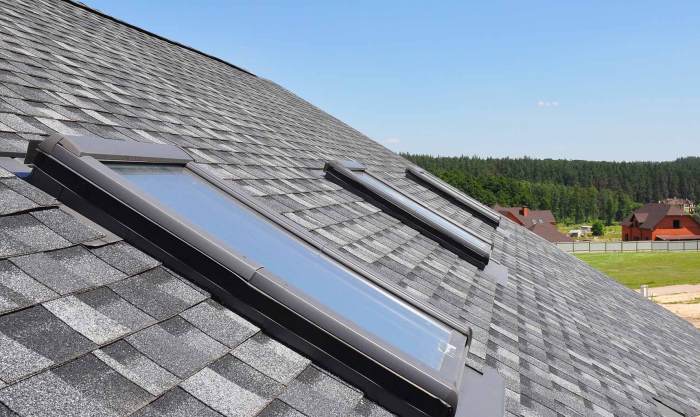
In conclusion, top skylight integration plans offer a harmonious blend of functionality and aesthetics in architectural design. By carefully considering key factors, selecting the right type, and implementing best practices, architects can elevate the beauty and efficiency of any space with skylights.
Embrace the natural light and transform your designs with top skylight integration plans.
FAQ Guide
How do skylight integration plans impact energy efficiency?
Skylight integration plans can reduce the need for artificial lighting during the day, leading to energy savings and improved sustainability.
What factors should architects consider when designing skylight integration plans?
Architects should consider factors like positioning, size, and material selection to optimize natural lighting and durability of skylights.
Are there specific maintenance tips for skylights?
Regular cleaning, checking for leaks, and ensuring proper sealing are essential maintenance practices to prolong the life of skylights.