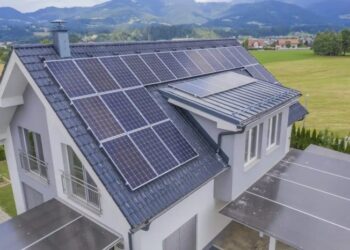

Exploring the realm of high efficiency roofs in the US, this introduction sets the stage for a detailed examination of the different types, materials, installation techniques, maintenance tips, regulations, and incentives available. The quest for the best high efficiency roof begins here, with a focus on energy efficiency, sustainability, and durability.
Types of high efficiency roofs
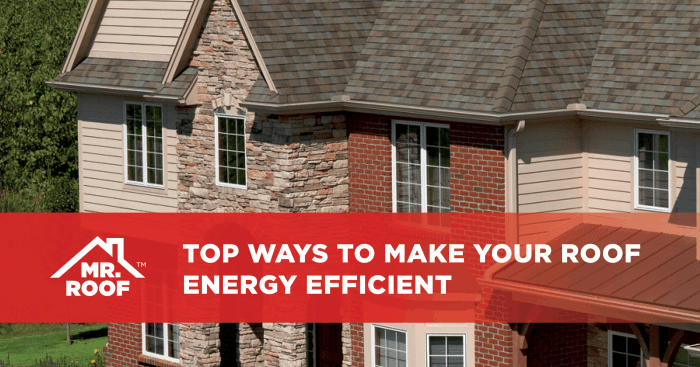
Metal, green, and cool roofs are three popular types of high efficiency roofs available in the US. Each type offers unique features and benefits in terms of energy efficiency and sustainability.
Metal Roofs
Metal roofs are known for their durability and long lifespan, lasting 50 years or more. They are highly reflective, reducing heat absorption and lowering cooling costs. Additionally, metal roofs are recyclable, making them an eco-friendly option.
Green Roofs
Green roofs, also known as vegetative roofs, are covered with vegetation which helps absorb rainwater, reduce heat island effect, and improve air quality. They provide natural insulation, reducing energy consumption for heating and cooling. Green roofs also increase biodiversity in urban areas.
Cool Roofs
Cool roofs are designed to reflect sunlight and absorb less heat, reducing indoor temperatures and lowering cooling costs. They are typically made of reflective materials like white coatings or tiles. Cool roofs help mitigate the urban heat island effect and contribute to overall energy efficiency.
Materials used in high efficiency roofs
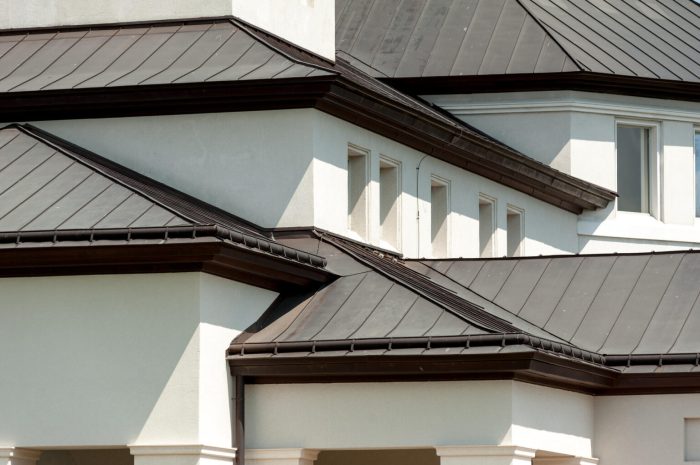
High efficiency roofs utilize a variety of materials to maximize energy savings and environmental benefits. These materials are designed to enhance insulation, reflect sunlight, and withstand harsh weather conditions.
Solar Tiles
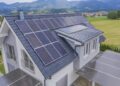
Solar tiles are made from durable materials like tempered glass or photovoltaic cells that convert sunlight into electricity. They are designed to seamlessly integrate into the roof, providing a clean and efficient energy source for the building.
Reflective Shingles
Reflective shingles are typically made from materials like asphalt, metal, or clay that have a reflective coating to bounce sunlight away from the roof. This helps reduce heat absorption, keeping the building cooler and lowering energy costs.
Cool Roof Coatings
Cool roof coatings are applied over existing roofing materials to create a reflective, heat-resistant surface. These coatings are typically made from materials like silicone, acrylic, or elastomeric, and they help reduce the heat island effect in urban areas.
Installation techniques for high efficiency roofs
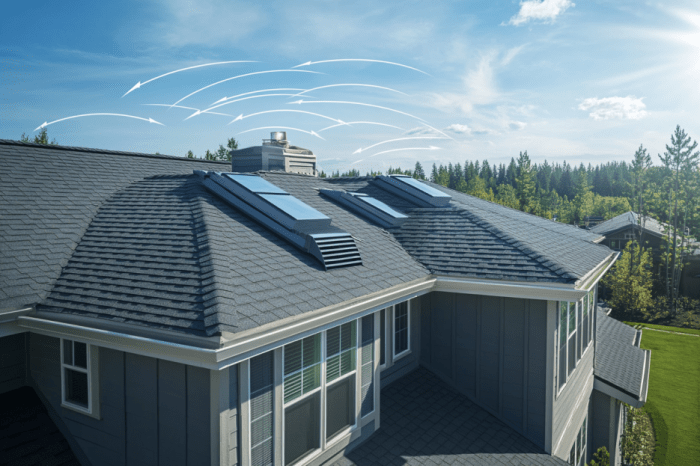
To ensure the optimal performance of high efficiency roofs, proper installation techniques are crucial. Here is a step-by-step guide on how high efficiency roofs are installed and the importance of correct installation for maximizing energy efficiency.
Step-by-step guide for installation
- Prepare the roof surface by removing any old roofing materials and ensuring it is clean and smooth.
- Install a waterproofing membrane to prevent water leakage and protect the structure.
- Add insulation materials to improve energy efficiency and reduce heat loss or gain.
- Apply reflective roof coatings to minimize heat absorption and maintain cooler temperatures.
- Install solar panels or green roof systems to further enhance energy efficiency and sustainability.
Importance of proper installation
Proper installation of high efficiency roofs is essential for maximizing energy efficiency and reducing utility costs. A well-installed roof can effectively regulate indoor temperatures, minimize heat loss, and improve overall comfort within the building.
Specialized tools and equipment
Specialized tools such as roofing nail guns, membrane cutters, and insulation blowers are commonly used in the installation of high efficiency roofs. Additionally, safety equipment like harnesses and helmets are essential for the protection of workers during the installation process.
Maintenance tips for high efficiency roofs
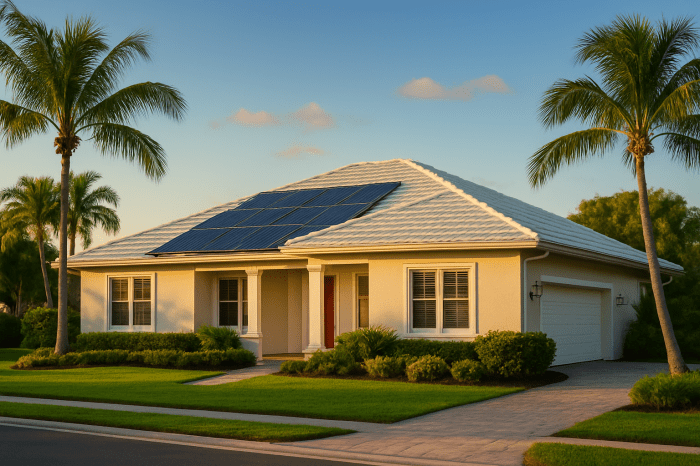
Regular maintenance is essential to ensure the longevity and performance of high efficiency roofs. By following a maintenance schedule and addressing common issues promptly, you can prolong the lifespan of your roof and maximize its energy-saving benefits
Maintenance Schedule for High Efficiency Roofs
- Inspect the roof twice a year, ideally in the spring and fall, to check for any damage or debris.
- Clean the gutters and downspouts regularly to prevent water from pooling on the roof.
- Trim overhanging tree branches to avoid damage from falling limbs and debris.
- Check for signs of wear and tear, such as cracked or missing shingles, and repair them promptly.
Common Issues and How to Address Them
- Leaks: If you notice water stains on the ceiling or walls, inspect the roof for missing or damaged shingles and seal any gaps or cracks.
- Mold and mildew: Clean the roof surface with a solution of water and bleach to remove mold and mildew, and ensure proper ventilation to prevent future growth.
- Ponding water: Improve drainage by clearing clogged gutters and ensuring that the roof slopes are free of debris to prevent water accumulation.
Tips to Prolong the Lifespan of a High Efficiency Roof
- Invest in professional roof inspections to catch potential issues early and prevent costly repairs.
- Apply a reflective coating to enhance energy efficiency and protect the roof from UV damage.
- Keep the roof surface clean and free of debris to prevent damage and maintain optimal performance.
Regulations and incentives for high efficiency roofs in the US
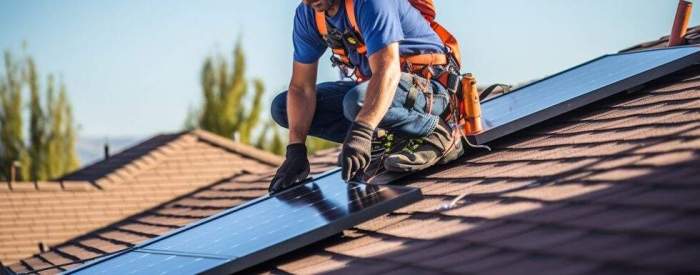
High efficiency roofs in the US are subject to various regulations and codes to ensure safety, energy efficiency, and environmental sustainability.
Regulations and Codes
Each state in the US may have specific regulations and codes related to high efficiency roofs. Some common requirements include minimum R-values for insulation, proper ventilation systems, and guidelines for roof pitch to accommodate solar panels.
Financial Incentives
There are financial incentives and rebates available for installing high efficiency roofs in the US. These incentives can vary by state and may include tax credits, rebates, or grants for incorporating energy-efficient roofing materials and technologies.
Environmental Impact
Choosing a high efficiency roof can have a positive environmental impact by reducing energy consumption, lowering greenhouse gas emissions, and decreasing the urban heat island effect. By using sustainable materials and technologies, high efficiency roofs contribute to a more environmentally friendly built environment.
Closing Notes
As we conclude our exploration of the best high efficiency roof options in the US, it is evident that a well-informed choice can lead to significant energy savings, environmental benefits, and long-term sustainability. By understanding the various aspects of high efficiency roofs, homeowners can make informed decisions that align with their values and priorities.
The future of roofing is indeed bright, efficient, and eco-friendly.
FAQ Explained
What are the key benefits of a high efficiency roof?
High efficiency roofs offer significant energy savings, improved sustainability, and long-term durability compared to traditional roofing options.
How do regulations vary for high efficiency roofs across different states in the US?
Regulations related to high efficiency roofs can differ by state, with some offering specific incentives or rebates for installing energy-efficient roofing systems.
What materials are commonly used in the construction of high efficiency roofs?
Materials such as solar tiles, reflective shingles, and cool roof coatings are popular choices for high efficiency roofing due to their energy-saving properties.
What maintenance tips can help prolong the lifespan of a high efficiency roof?
Regular inspections, cleaning debris, and addressing any issues promptly can help extend the lifespan of a high efficiency roof.