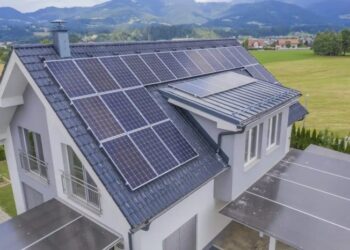

Dive into the world of high-efficiency roofing in the United States, where innovation meets sustainability. From cutting-edge materials to expert installation practices, this topic delves into everything you need to know about maximizing energy efficiency through your roof.
As we explore the different types of high-efficiency roofing, installation best practices, regulations, and environmental impact, you'll gain a deeper understanding of how your roof can contribute to a greener future.
Types of High-Efficiency Roofing in the United States
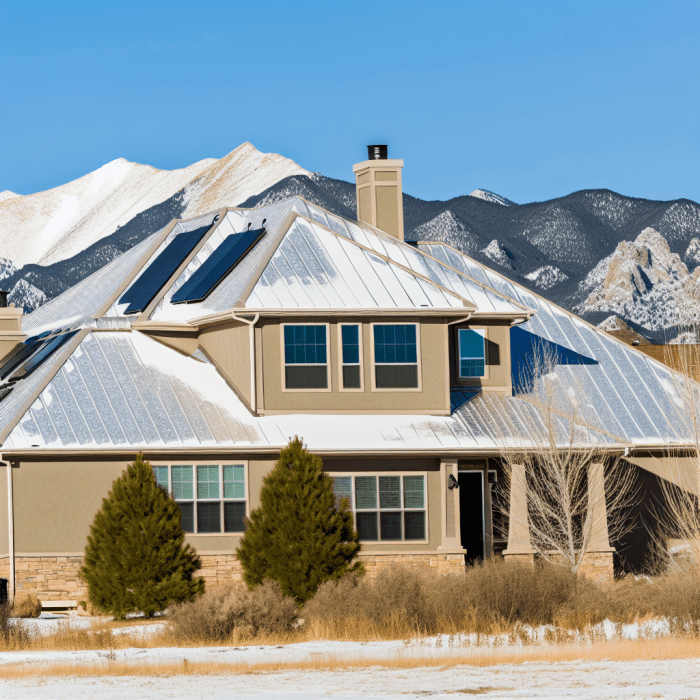
High-efficiency roofing materials are becoming increasingly popular in the United States due to their energy-saving benefits and environmentally friendly properties. Let's explore the different types of high-efficiency roofing options available in the US, along with their pros and cons.
Metal Roofing
Metal roofing is a durable and long-lasting option that reflects sunlight, reducing heat absorption and energy costs. It is typically made of aluminum, steel, or copper. While metal roofing can be more expensive upfront, it offers excellent durability and requires minimal maintenance.
Solar Tiles
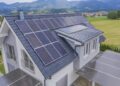
Solar tiles are designed to look like traditional roofing materials but are embedded with solar cells to generate electricity from sunlight. While solar tiles can be costly to install, they can significantly reduce energy bills over time and contribute to a more sustainable environment.
Green Roofing
Green roofing involves planting vegetation on the roof surface, providing natural insulation and reducing stormwater runoff. While green roofing can help improve air quality and reduce energy consumption, it requires regular maintenance and can be more susceptible to leaks if not properly installed.
Asphalt Shingles
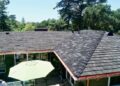
Asphalt shingles are a common roofing material known for their affordability and ease of installation. While not as energy-efficient as other options, asphalt shingles are available in a variety of colors and styles to suit different aesthetic preferences.
Best Practices for Installing High-Efficiency Roofs
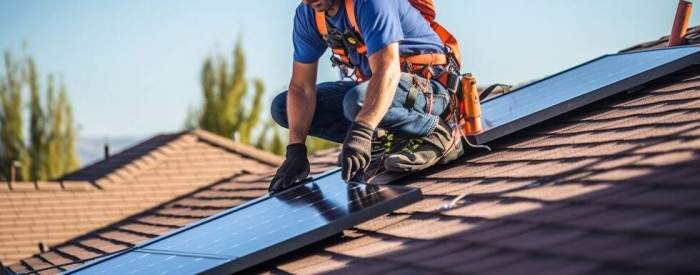
When it comes to installing high-efficiency roofs in the United States, following recommended practices is essential to ensure optimal performance and longevity of the roofing system.
Recommended Installation Methods
Proper installation methods are crucial for the effectiveness of high-efficiency roofs. Here are some key practices to follow:
- Ensure the roof deck is properly prepared and free of any damage before installing the new roofing system.
- Use high-quality materials and follow manufacturer guidelines for installation to maintain warranty coverage.
- Implement proper flashing and sealing techniques to prevent water leaks and ensure a watertight seal.
Proper Ventilation and Insulation
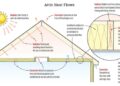
Effective ventilation and insulation play a significant role in the performance of high-efficiency roofs. Here are some tips to ensure proper ventilation and insulation:
- Install adequate ventilation to prevent moisture buildup, which can lead to mold growth and damage to the roofing system.
- Use proper insulation to improve energy efficiency and maintain a comfortable indoor environment.
- Consider using reflective roofing materials to reduce heat absorption and lower cooling costs.
Importance of Hiring Certified Professionals
Installing a high-efficiency roofing system is a complex task that requires specialized knowledge and skills. Hiring certified professionals is essential for the following reasons:
- Certified professionals have the expertise to install high-efficiency roofs correctly, ensuring optimal performance and longevity.
- Professional installers can help identify potential issues during the installation process and address them promptly to avoid future problems.
- Working with certified professionals can provide peace of mind knowing that the roofing system is installed according to industry standards and regulations.
Regulations and Certifications for High-Efficiency Roofs in the US
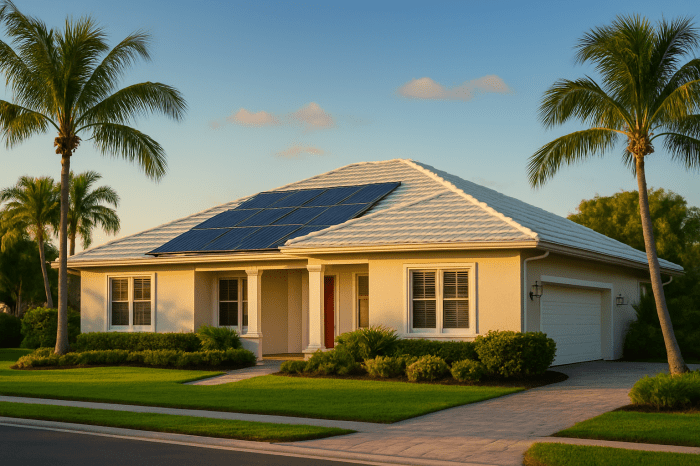
When it comes to high-efficiency roofing systems in the United States, there are specific regulatory standards that must be met to ensure the quality and energy efficiency of the roofs. Additionally, certifications play a crucial role in verifying that these roofs meet the necessary requirements and standards.
Regulatory Standards for High-Efficiency Roofs
In the US, high-efficiency roofing systems must adhere to standards set by organizations such as the International Code Council (ICC) and the National Fire Protection Association (NFPA). These standards cover aspects like insulation, ventilation, and overall energy performance to ensure that the roofs are energy-efficient and compliant with building codes.
Certifications for High-Efficiency Roofs
One of the most recognized certifications for high-efficiency roofs is the ENERGY STAR certification, which signifies that the roof meets or exceeds energy efficiency guidelines set by the Environmental Protection Agency (EPA). Other certifications like the Cool Roof Rating Council (CRRC) certification focus on the roof's ability to reflect sunlight and reduce heat absorption, contributing to energy savings.
Impact of Local Building Codes on Installation
Adherence to local building codes is essential when installing high-efficiency roofs in the US. These codes dictate requirements for factors such as roof slope, materials used, and insulation levels to ensure that the roofs are safe, durable, and energy-efficient. Failure to comply with local building codes can result in fines, delays, or even the need for roof replacement.
Environmental Impact of High-Efficiency Roofs in the United States
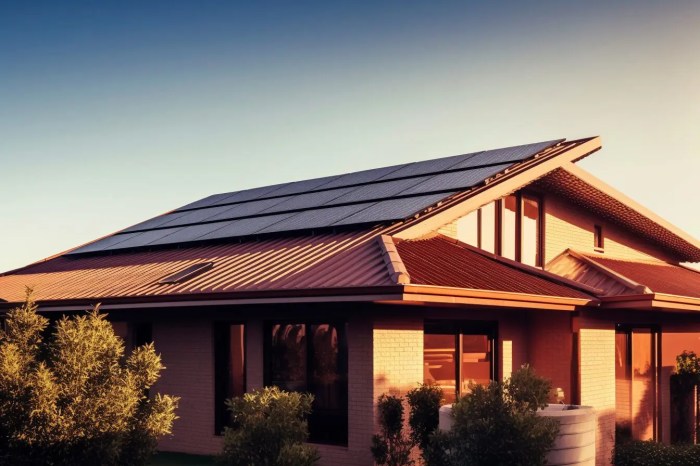
High-efficiency roofs in the United States offer a range of environmental benefits that contribute to sustainability and energy conservation efforts. These roofs are designed to minimize energy consumption, reduce carbon emissions, and promote eco-friendly practices in the construction industry.
Energy Savings and Carbon Footprint Reduction
- High-efficiency roofs help reduce energy consumption by providing better insulation, thus decreasing the need for heating and cooling systems.
- By lowering energy usage, these roofs contribute to a significant reduction in carbon emissions, helping combat climate change.
- Improved energy efficiency also leads to lower utility bills for building owners and occupants, promoting cost savings in the long run.
Sustainable Practices Associated with High-Efficiency Roofing Systems
- Many high-efficiency roofing materials are made from recycled or sustainable sources, reducing the environmental impact of production and disposal.
- Roof designs that incorporate green technologies like solar panels or green roofs further enhance sustainability by generating renewable energy or promoting biodiversity.
- Proper installation and maintenance of high-efficiency roofs ensure optimal performance and longevity, reducing the need for frequent replacements and minimizing waste.
Ultimate Conclusion
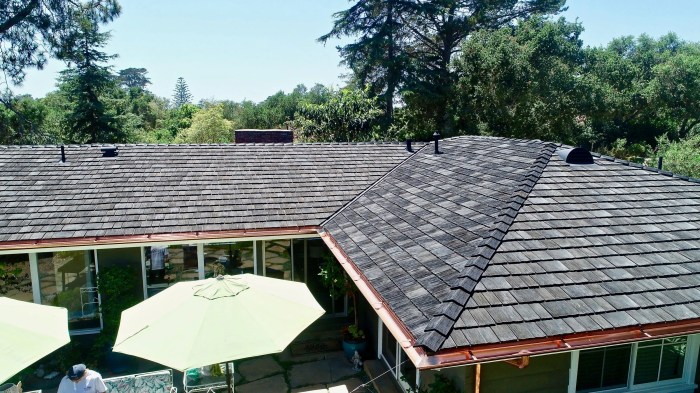
In conclusion, choosing the best high efficiency roof for your property is not just about durability and cost-effectiveness, but also about making a positive impact on the environment. By prioritizing energy efficiency and sustainability, you're not only investing in your property but also in a cleaner, greener future for generations to come.
FAQ Explained
What are the most common types of high-efficiency roofing materials used in the US?
The most common types include metal roofing, asphalt shingles, and solar tiles.
Why is proper ventilation and insulation important when installing high-efficiency roofs?
Proper ventilation and insulation help maintain energy efficiency and prevent moisture-related issues.
What certifications should high-efficiency roofs have for quality assurance?
Look for certifications like ENERGY STAR and Cool Roof Rating Council to ensure quality and energy efficiency.
How do high-efficiency roofs contribute to reducing the carbon footprint?
High-efficiency roofs help save energy by reducing the need for heating and cooling, thus lowering carbon emissions.
What are some sustainable practices associated with high-efficiency roofing systems?
Sustainable practices include using recycled materials, implementing rainwater harvesting, and integrating green roof systems.