
As we delve into the realm of construction, the importance of avoiding skylight structural risks becomes apparent. From structural integrity to potential failures, this topic sheds light on crucial factors that influence the safety of buildings. Let's explore how to navigate these risks effectively.
Understanding Skylight Structural Risks
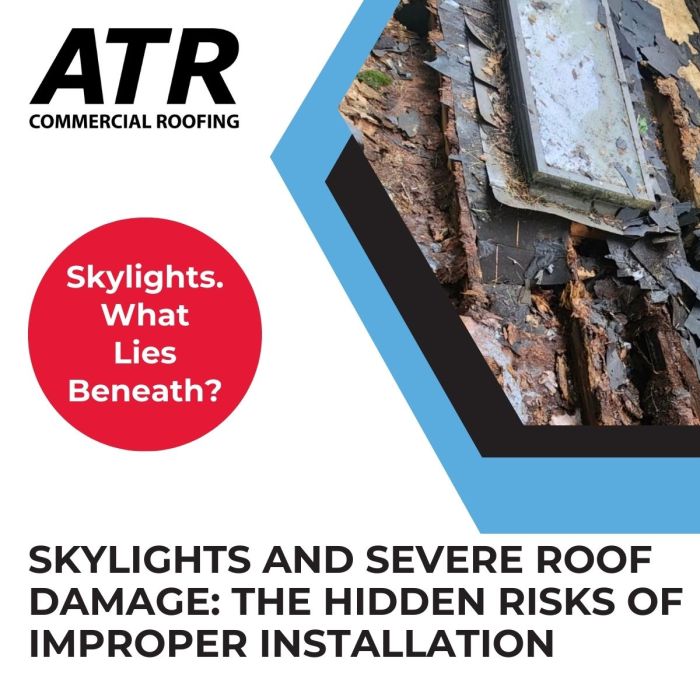
Skylights in buildings can pose potential structural risks if not properly installed or maintained. These risks can lead to costly repairs, safety hazards, and structural damage over time.
Examples of Structural Issues
- Poor Installation: If a skylight is not installed correctly, it can lead to leaks, drafts, and even collapse in extreme cases.
- Material Degradation: Over time, skylight materials can deteriorate, leading to cracks, warping, or weakening of the structure.
- Excessive Weight: Skylights that are too heavy for the building structure can cause stress and strain, compromising the integrity of the roof.
Importance of Avoiding Skylight Structural Risks
Avoiding skylight structural risks is crucial in construction to ensure the safety and longevity of the building. By addressing these risks early on and using proper installation techniques and materials, potential issues can be mitigated before they escalate into larger problems.
Factors Contributing to Skylight Structural Risks
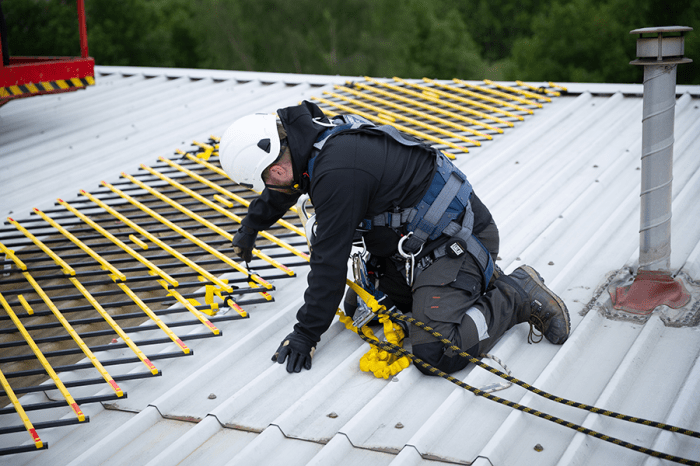
Skylights can be a beautiful addition to any building, allowing natural light to filter in and brighten up the space. However, there are certain factors that can contribute to the risk of skylight failures, compromising the structural integrity of the building.
Poor Installation
One of the main factors that can lead to skylight structural risks is poor installation. When skylights are not installed properly, with inadequate support or improper sealing, they become vulnerable to leaks and even collapse. It is crucial to ensure that skylights are installed by professionals following manufacturer guidelines to prevent any structural issues.
Weather Conditions
Weather conditions also play a significant role in the structural integrity of skylights. Harsh weather such as heavy rainfall, strong winds, or snow accumulation can put additional stress on skylights. Over time, this can weaken the structure and lead to leaks or breakage.
Regular maintenance and inspection of skylights are essential to identify any damage caused by weather conditions and prevent further risks.
Best Practices to Avoid Skylight Structural Risks
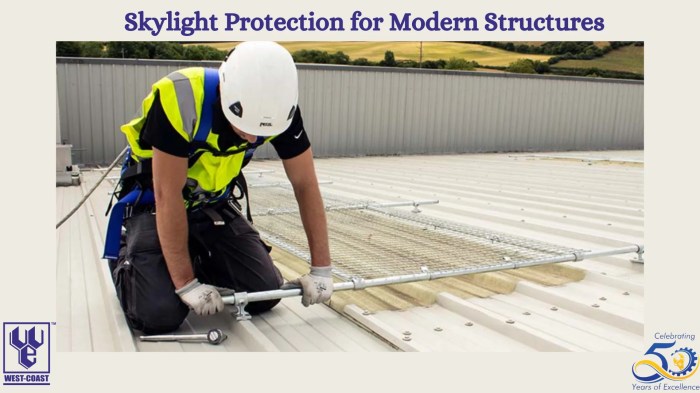
When it comes to designing skylights, minimizing structural risks is crucial to ensure the safety and longevity of the installation. Regular maintenance and choosing the right materials are key factors in preventing skylight issues
Design Tips to Minimize Structural Risks
- Ensure proper placement and size of skylights to avoid overloading the structure.
- Use high-quality, impact-resistant materials for skylight frames and glazing to withstand external forces.
- Consult with a structural engineer to assess the load-bearing capacity of the roof and support structure.
Importance of Regular Maintenance
Regular maintenance is essential for preventing skylight issues and prolonging the lifespan of the installation. Inspect skylights periodically for leaks, cracks, or signs of damage, and address any issues promptly to avoid structural problems.
Choosing the Right Materials
- Opt for materials that are durable, weather-resistant, and compatible with the existing roof structure.
- Consider factors such as UV resistance, thermal expansion, and insulation properties when selecting skylight materials.
- Invest in high-quality seals and flashing to ensure proper waterproofing and prevent leaks that could compromise the structure.
Case Studies of Skylight Structural Failures
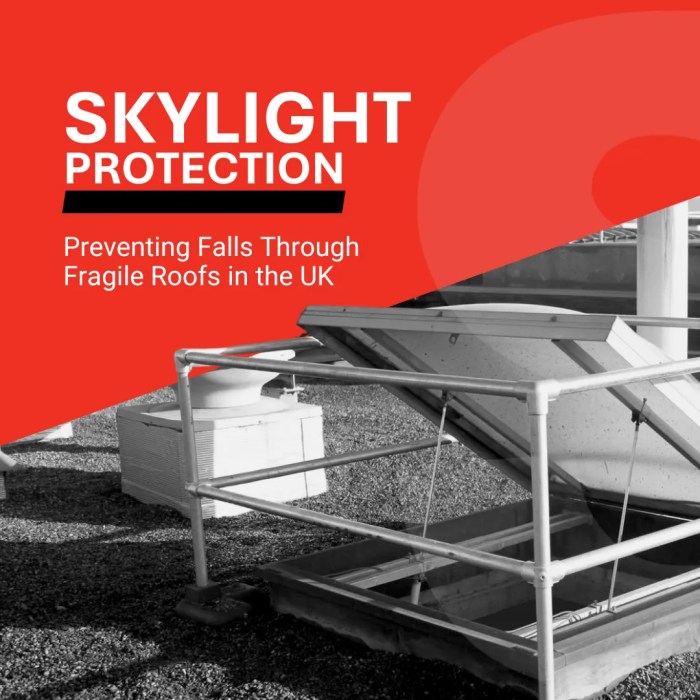
In real-life incidents, skylight structural failures have had severe consequences on buildings and occupants. Analyzing these cases can provide valuable insights to prevent similar incidents in the future.
Case Study 1: Mall Skylight Collapse
A shopping mall in a busy city experienced a skylight collapse due to poor maintenance and structural degradation. The incident resulted in significant damage to the mall's interior and posed a serious safety risk to shoppers. Emergency services had to evacuate the building, causing disruptions to businesses and inconveniences to customers.
This case highlighted the importance of regular skylight inspections and timely repairs to prevent catastrophic failures.
Case Study 2: Office Building Skylight Leak
An office building suffered from a skylight leak during heavy rainfall, leading to water infiltration and damage to valuable equipment and documents. The leak also created safety hazards for employees, forcing the company to temporarily relocate until repairs were completed.
This incident underscored the need for proper skylight installation and waterproofing measures to prevent water-related failures that can compromise the integrity of the building.
Case Study 3: Residential Skylight Glass Shattering
In a residential setting, a skylight glass unexpectedly shattered due to thermal stress, causing injury to a homeowner and damaging the interior of the house. The incident raised awareness about the importance of using tempered or laminated glass for skylights to enhance safety and prevent potential injuries.
It also emphasized the need for regular maintenance to detect any signs of stress or wear on skylight materials before they escalate into dangerous failures.
Last Recap
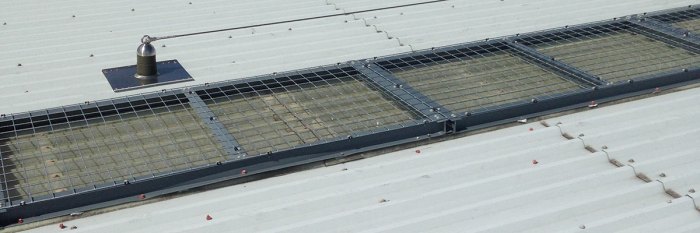
In conclusion, understanding and mitigating skylight structural risks are vital steps in ensuring the safety and longevity of buildings. By implementing best practices and learning from past failures, we can create a more secure environment for occupants.
Clarifying Questions
What are the common risks associated with skylights?
Skylights pose risks such as leaks, poor insulation, and potential structural failures if not properly installed or maintained.
How can regular maintenance help prevent skylight structural issues?
Regular maintenance can identify early signs of damage, preventing small issues from escalating into major structural risks.
What materials are recommended to minimize skylight structural risks?
Choosing high-quality, durable materials like tempered glass and robust frames can help reduce the chances of structural failures.