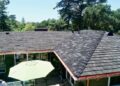

Delving into the realm of managing attic ventilation problems, this guide aims to shed light on the common issues that may arise and how to effectively address them. From understanding the impact of poor ventilation to practical steps for resolution, this topic is crucial for maintaining a well-ventilated attic space.
Understanding Attic Ventilation Issues
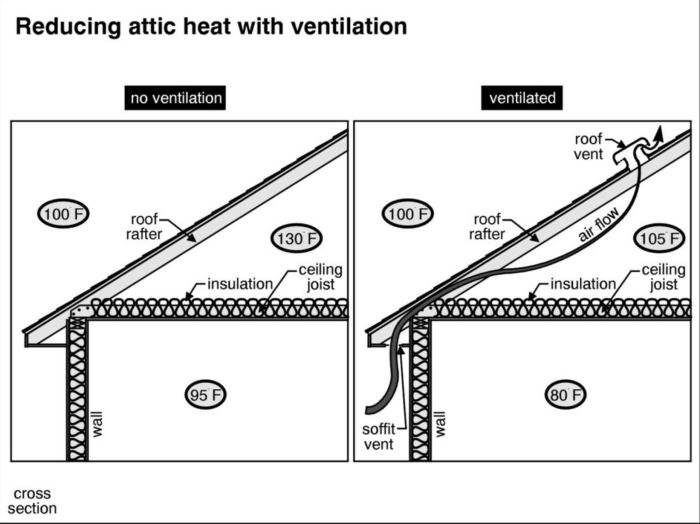
Proper attic ventilation is crucial for maintaining a healthy home environment and ensuring energy efficiency. When ventilation is inadequate, a range of problems can arise.
Common Problems Associated with Poor Attic Ventilation
- Excessive heat buildup in the summer, leading to increased cooling costs.
- Moisture accumulation, which can result in mold and mildew growth.
- Poor air quality inside the home due to trapped pollutants and allergens.
Impact of Inadequate Attic Ventilation on Energy Efficiency
Inadequate attic ventilation can significantly impact the energy efficiency of your home. Without proper ventilation, your HVAC system may have to work harder to regulate indoor temperatures, leading to increased energy consumption and higher utility bills.
Potential Consequences of Ignoring Ventilation Issues
- Decreased lifespan of roofing materials due to excessive heat and moisture.
- Risk of structural damage from mold growth and wood rot.
- Potential health risks for occupants due to poor indoor air quality.
Identifying Signs of Poor Attic Ventilation
Poor attic ventilation can lead to a variety of issues that can affect the comfort and safety of your home. Here are some key signs to look out for:
Visible Signs of Attic Ventilation Problems
- Moisture: Water stains or pooling water in the attic can indicate poor ventilation, leading to potential mold growth and structural damage.
- Mold: The presence of mold or mildew in the attic is a clear sign of excess moisture and inadequate ventilation.
- Ice Dams: During winter, ice dams forming on the roof can signal insulation and ventilation problems in the attic, which can cause water damage.
Temperature Differentials as Signals of Ventilation Issues
Temperature differentials between the attic space and the rest of the house can indicate ventilation problems. Significant temperature variations may suggest inadequate airflow, leading to heat buildup or excessive cooling in the attic.
Airflow Patterns in Identifying Inadequate Ventilation
Observing airflow patterns in the attic can help identify ventilation issues. Stagnant air, musty odors, or visible dust accumulation can signal poor ventilation, which can impact air quality and the overall health of your home.
Assessing Current Ventilation Systems
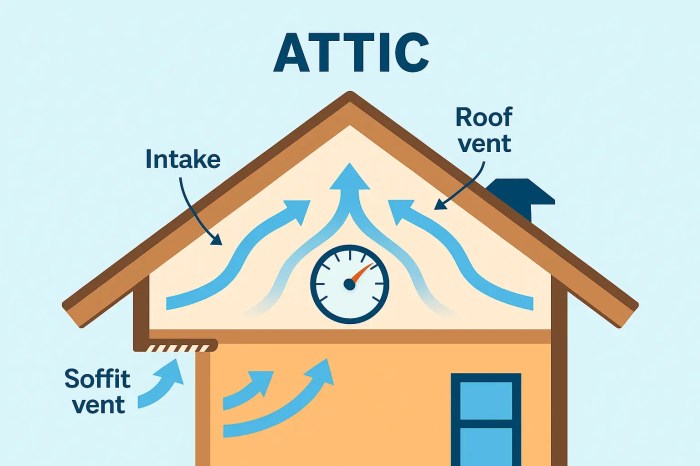
When it comes to evaluating the effectiveness of existing attic ventilation, there are a few key methods to consider. It's important to calculate ventilation requirements based on the size of the attic to ensure proper airflow and prevention of issues like moisture buildup and heat retention.
Additionally, determining if the current ventilation system meets industry standards is crucial for optimal performance.
Calculating Ventilation Requirements Based on Attic Size
- Measure the square footage of the attic space to determine the total area that needs to be ventilated.
- Refer to industry standards which usually recommend a certain amount of ventilation per square foot of attic space.
- Calculate the required ventilation intake and exhaust based on the attic size to ensure adequate airflow.
Evaluating Effectiveness of Current Ventilation System
- Check for signs of poor ventilation such as mold growth, musty odors, or excessive heat buildup in the attic.
- Inspect the current intake and exhaust vents to see if they are clear of obstructions and functioning properly.
- Use a temperature and humidity gauge to monitor the conditions in the attic and assess if ventilation is adequate.
Ensuring Compliance with Industry Standards
- Consult local building codes and standards to determine the minimum ventilation requirements for attics in your area.
- Compare the existing ventilation system to the recommended standards to identify any deficiencies or areas needing improvement.
- If necessary, consider upgrading or adding ventilation components to meet industry guidelines and ensure proper attic ventilation.
Resolving Attic Ventilation Problems
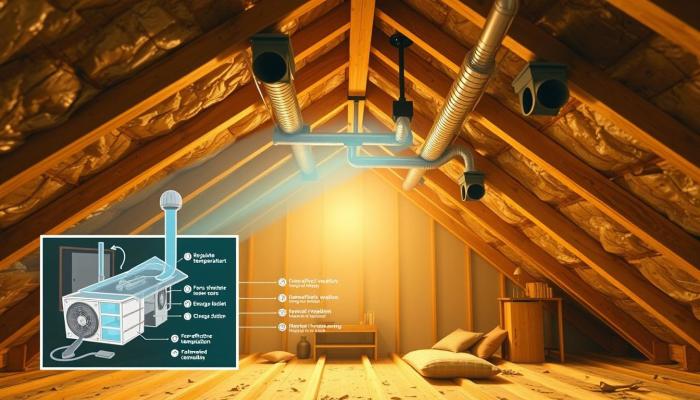
Poor attic ventilation can lead to a host of issues, including moisture buildup, mold growth, and reduced energy efficiency. Addressing these problems is essential for maintaining a healthy and functional attic space.
Steps to Address Poor Attic Ventilation
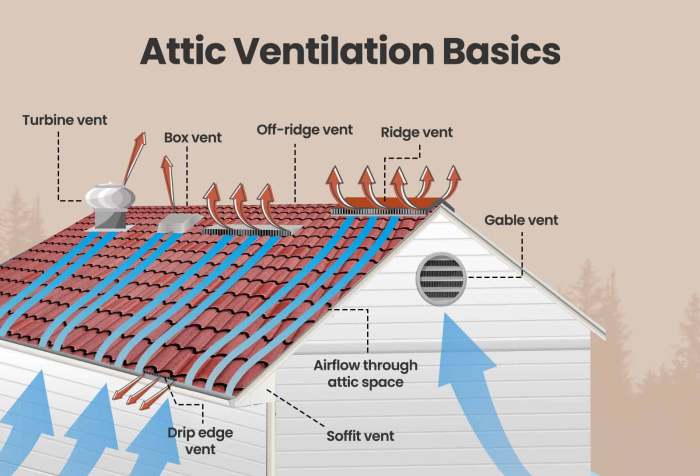
- Adding Vents: Installing additional vents, such as ridge vents or soffit vents, can help improve airflow in the attic and prevent hot air from getting trapped.
- Improving Insulation: Upgrading insulation in the attic can help regulate temperature extremes and reduce the strain on your HVAC system.
Benefits of Using Natural Ventilation Methods
- Natural ventilation methods, such as ridge vents and gable vents, can help reduce the need for mechanical ventilation systems, saving energy and lowering utility costs.
- These methods also allow for better air circulation, helping to prevent moisture buildup and mold growth.
Balancing Intake and Exhaust Vents for Optimal Airflow
- Properly balancing intake and exhaust vents is crucial for ensuring optimal airflow in the attic.
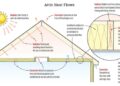
- Intake vents, such as soffit vents, allow fresh air to enter the attic, while exhaust vents, like ridge vents, allow hot, moist air to escape.
- By strategically placing intake and exhaust vents, you can create a continuous flow of air that helps regulate temperature and humidity levels in the attic.
Maintenance and Upkeep of Attic Ventilation
Proper maintenance and upkeep of attic ventilation systems are essential to ensure optimal airflow and prevent potential issues that could arise. Regular inspections and care can go a long way in maintaining the efficiency of your attic ventilation.
Best Practices for Maintaining Attic Ventilation Systems
- Inspect the attic vents at least once a year to check for any blockages or damage.
- Clean the vents regularly to remove any debris or dust that may obstruct airflow.
- Ensure that insulation does not block the vents, as this can impede proper ventilation.
- Consider installing a ventilation fan to enhance airflow in the attic.
Importance of Regular Inspections
- Regular inspections help in identifying any early signs of ventilation issues before they escalate.
- Inspecting the attic vents can prevent moisture buildup, which can lead to mold and mildew growth.
- Ensuring proper ventilation through inspections can extend the lifespan of your roof and insulation.
Tips for Ensuring Proper Airflow Throughout the Year
- During the summer, ensure that vents are clear of any obstructions to allow hot air to escape.
- In the winter, make sure that vents are not blocked by snow or ice to maintain airflow.
- Consider installing a ridge vent or soffit vents to promote continuous airflow throughout the year.
Summary
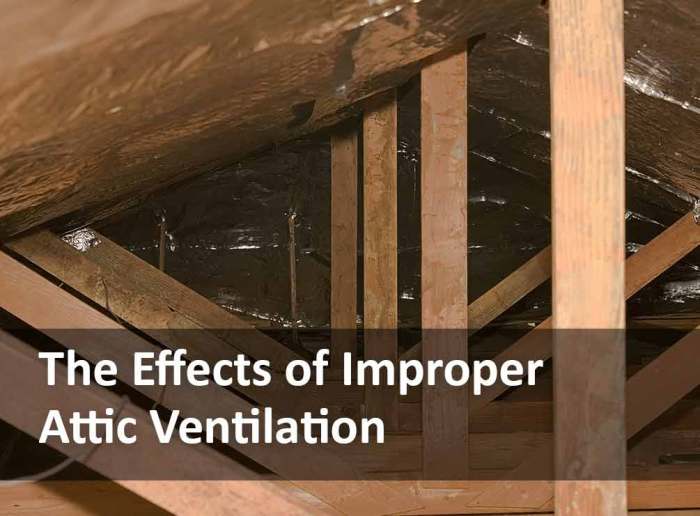
In conclusion, managing attic ventilation problems is vital for the overall health and efficiency of your home. By staying proactive in identifying and resolving ventilation issues, you can ensure a comfortable living environment and optimize energy usage. Take charge of your attic ventilation to reap the benefits of a well-maintained space.
General Inquiries
What are the consequences of ignoring attic ventilation problems?
Ignoring attic ventilation problems can lead to increased energy costs, mold growth, and potential structural damage due to moisture buildup.
How can I assess the effectiveness of my current attic ventilation system?
You can assess your current ventilation system by checking for proper airflow, inspecting for signs of moisture or mold, and ensuring vents are free of obstructions.
What are some best practices for maintaining attic ventilation systems?
Regularly inspecting vents, keeping them clean and unblocked, and ensuring proper insulation are key practices for maintaining attic ventilation systems.