
Avoid roof leak risk sets the stage for this comprehensive guide, providing crucial information on the importance of regular roof inspections, proper maintenance practices, identifying vulnerable areas, and creating an emergency leak response plan. By following these guidelines, homeowners can safeguard their properties from potential water damage and costly repairs.
In this guide, we will delve into the key factors that contribute to roof leaks and offer practical tips to mitigate the risks associated with them. From routine inspections to emergency repair strategies, this resource aims to empower readers with the knowledge needed to maintain a leak-free roof.
Importance of Regular Roof Inspection
Regular roof inspections are crucial to avoid roof leak risks as they help identify potential issues early on, preventing costly repairs and damage to your property. By conducting routine inspections, you can ensure the structural integrity of your roof and prolong its lifespan.
Checklist for Roof Inspection
- Inspect for missing, cracked, or damaged shingles
- Check for signs of water damage or leaks in the attic
- Examine the condition of flashing around chimneys, vents, and skylights
- Clean gutters and downspouts to prevent water backup
- Look for signs of mold or mildew growth
Frequency and Responsible Party
Regular roof inspections should be conducted at least twice a year, ideally in the spring and fall, to catch any issues before they worsen. It is recommended to hire a professional roofing contractor to perform a thorough inspection, as they have the expertise to identify hidden problems and provide solutions to ensure your roof remains in top condition.
Proper Maintenance Practices
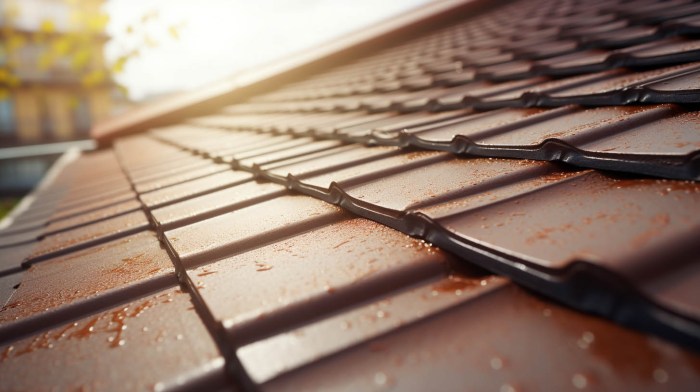
Proper maintenance practices are crucial in preventing roof leaks and extending the lifespan of your roof. By regularly inspecting and maintaining your roof, you can identify and address potential issues before they escalate into costly leaks.
Cleaning Gutters and Checking for Debris
Regularly cleaning gutters and checking for debris is essential in maintaining a healthy roof. Clogged gutters can prevent proper drainage, leading to water buildup and potential leaks. Remove any debris such as leaves, branches, or dirt from the gutters to ensure water flows freely off the roof.
Scheduled Routine Maintenance Activities
To ensure your roof stays in top condition, it is important to follow a schedule for routine maintenance activities throughout the year. Here is a general guideline for maintenance tasks:
- Spring: Inspect the roof for any winter damage, clean gutters, and check for loose or damaged shingles.
- Summer: Trim overhanging branches, inspect seals around vents and chimneys, and check for signs of algae or moss growth.
- Fall: Clear gutters of fallen leaves, check for leaks around skylights, and inspect the attic for any signs of water damage.
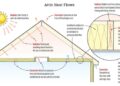
- Winter: Remove snow buildup to prevent ice dams, check for condensation in the attic, and ensure proper insulation to prevent heat loss.
Regularly following these maintenance tasks can help prevent roof leaks and ensure the longevity of your roof.
Identifying Vulnerable Areas
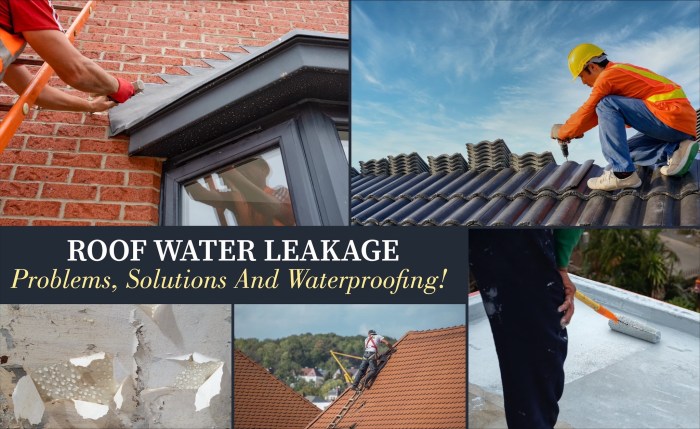
Identifying vulnerable areas on a roof is crucial in preventing leaks. Understanding which parts are prone to damage can help homeowners take proactive measures to minimize the risk of leaks.
Areas Prone to Leaks
- Roof Valleys: Roof valleys are particularly susceptible to leaks because they are low points where water can accumulate.
- Flashing: Improperly installed or damaged flashing around chimneys, vents, and skylights can allow water to seep in.
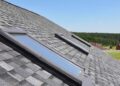
- Skylights: Skylights are prone to leaks if the flashing around them is not sealed correctly or if the skylight itself is damaged.
Types of Roofing Materials
Different roofing materials have varying levels of susceptibility to leaks. Here are some common types and their vulnerabilities:
- Asphalt Shingles: Asphalt shingles can crack and warp over time, especially in extreme weather conditions, leading to potential leaks.
- Metal Roofing: While durable, metal roofs can develop leaks at seams or if not properly installed.
- Tile Roofing: Tile roofs can be prone to leaks due to broken or misplaced tiles, especially after severe weather events.
Addressing Vulnerabilities
To minimize leak risks in vulnerable areas, homeowners can take the following steps:
- Regular Inspections: Conduct regular roof inspections to identify and address any issues before they escalate.
- Maintain Flashing: Ensure flashing is properly installed and maintained to prevent water infiltration.
- Repair Damage Promptly: Address any damage to roofing materials promptly to prevent leaks from worsening.
Emergency Leak Response Plan

In the event of a roof leak, it is crucial to have an emergency response plan in place to minimize damage and protect your property. Having the right tools and materials on hand, knowing when to take immediate action, and understanding when to call a professional can make a significant difference in how effectively you can address the situation.
Step-by-Step Guide
- Assess the extent of the leak and determine if it is safe to access the affected area.
- If safe, place buckets or containers to catch water and prevent further damage to your property.
- Locate the source of the leak and try to contain it by temporarily sealing the area with roofing cement or a tarp.
- Document the damage with photos or videos for insurance claims.
- Contact a professional roofer to assess the damage and provide a long-term solution.
Tools and Materials for Emergency Repairs
- Roofing cement or sealant
- Tarp or plastic sheeting
- Buckets or containers
- Roofing nails and hammer
- Flashlight
DIY vs. Professional Repair
It is important to know when you can handle a temporary fix on your own and when it is best to leave it to the professionals.
DIY temporary fixes are suitable for minor leaks that can be easily contained, while complex issues or extensive damage should be addressed by a professional roofer.
Closing Summary
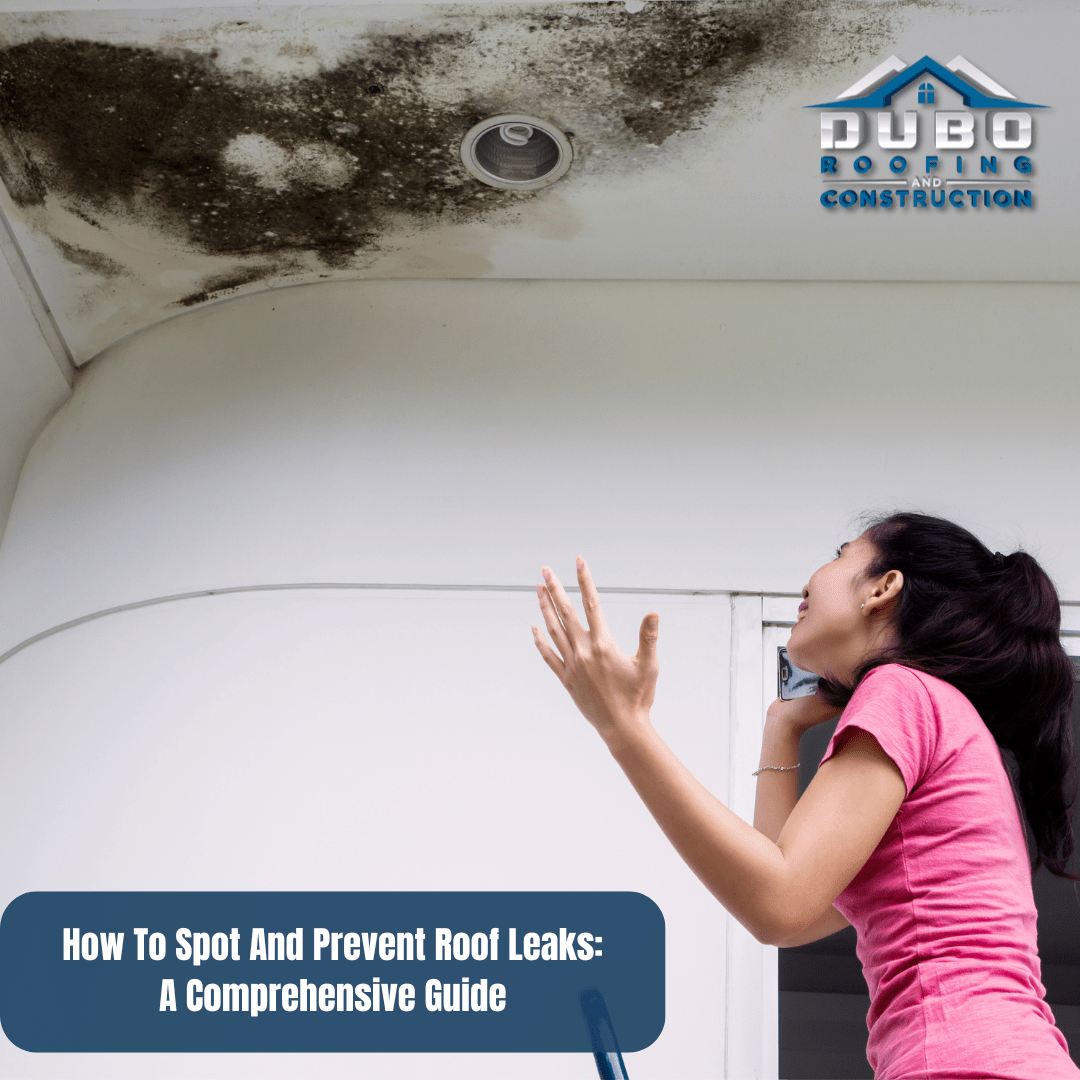
In conclusion, preventing roof leaks requires a proactive approach that combines regular maintenance, thorough inspections, and a well-prepared emergency response plan. By staying vigilant and addressing vulnerabilities promptly, homeowners can protect their homes from the damaging effects of water infiltration.
Remember, a stitch in time saves nine when it comes to roof maintenance.
Commonly Asked Questions
How often should I inspect my roof for potential leaks?
Roof inspections should be conducted at least twice a year, ideally in the spring and fall, to catch any issues before they escalate.
What are the common signs of a roof leak?
Common signs include water stains on ceilings or walls, missing or damaged shingles, and the presence of mold or mildew.
When should I DIY a temporary roof repair?
DIY repairs are suitable for minor issues like replacing a shingle, but for major leaks or extensive damage, it's best to call a professional roofer.
How can I prevent roof leaks during heavy rainfall?
Ensure that gutters are clear of debris, downspouts are directing water away from the foundation, and your roof is free of any missing or damaged shingles.