
Diving into the realm of top roof insulation plans, we uncover the essential elements that make up a successful insulation strategy. From cost savings to climate considerations, this topic delves into the importance of a well-designed plan.
Importance of Top Roof Insulation Plans
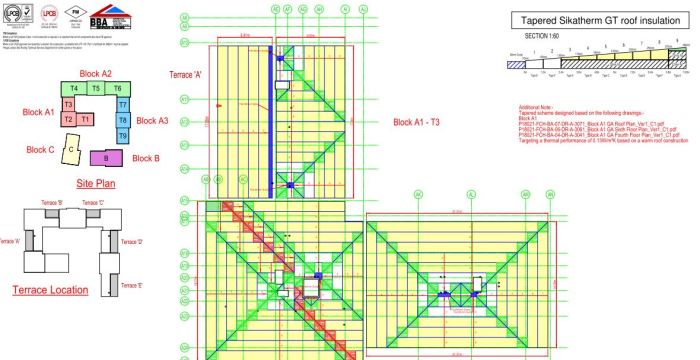
Having a well-thought-out insulation plan for the roof is crucial for maintaining a comfortable indoor environment and maximizing energy efficiency.
Effective roof insulation offers several benefits, such as:
Energy Efficiency and Cost Savings
- Reducing heat loss during colder months, leading to lower heating costs.
- Preventing heat gain during hotter months, resulting in reduced cooling expenses.
- Minimizing the need for constant adjustments to the thermostat, saving on energy bills.
By implementing a good insulation plan, homeowners can potentially save a significant amount of money on their energy bills over time.
Types of Roof Insulation Materials
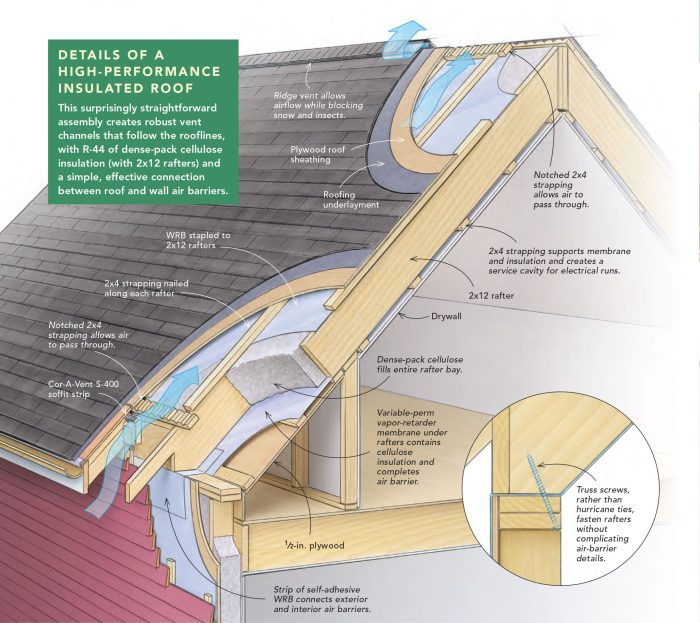
When it comes to roof insulation, there are several types of materials that can be used depending on the specific needs of the building. Each type of insulation material has its own set of pros and cons, so it's important to choose the right one for your project.
Here are some common types of roof insulation materials:
Fiberglass Insulation
- Pros:Affordable, easy to install, effective in reducing heat transfer.
- Cons:Can irritate skin and lungs if not handled properly, may settle over time.
Fiberglass insulation is commonly used in residential buildings for its cost-effectiveness and thermal insulation properties.
Spray Foam Insulation
- Pros:Provides a complete air seal, high R-value, moisture resistant.
- Cons:Expensive, requires professional installation, can expand over time.
Spray foam insulation is often used in commercial buildings where a high level of insulation and air sealing is required.
Cellulose Insulation
- Pros:Made from recycled materials, good at reducing noise, fire retardant.
- Cons:Can settle over time, may attract pests if not properly treated.
Cellulose insulation is an eco-friendly option that is commonly used in both residential and commercial buildings.
Rigid Foam Insulation
- Pros:High R-value, moisture resistant, easy to cut and shape.
- Cons:More expensive than other options, can be difficult to install in tight spaces.
Rigid foam insulation is often used in areas where space is limited but high insulation performance is needed, such as in pitched roofs.
Factors to Consider in Designing Top Roof Insulation Plans
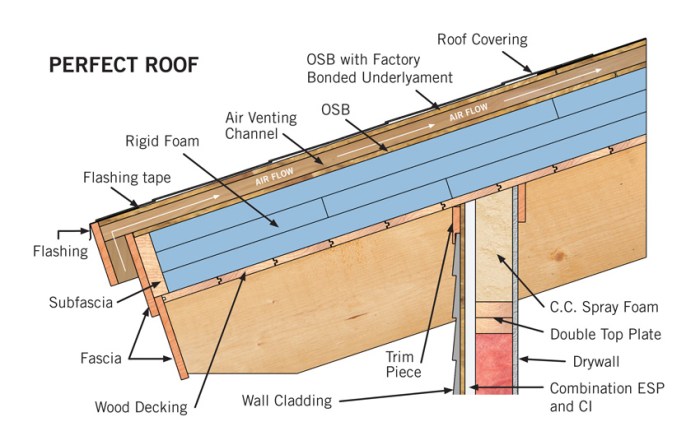
When designing top roof insulation plans, several key factors need to be taken into consideration to ensure optimal performance and energy efficiency. Factors such as climate, roof type, budget, insulation materials, ventilation, and moisture control play a crucial role in determining the effectiveness of the insulation plan.
Climate
Climate is a significant factor to consider when designing roof insulation plans. The insulation requirements will vary depending on whether you are in a hot, cold, or mixed climate. In colder regions, thicker insulation with a higher R-value may be necessary to prevent heat loss, while in warmer climates, the focus may be on preventing heat gain.
Roof Type
The type of roof you have will also impact the insulation plan design. Different roof types, such as flat roofs, pitched roofs, or metal roofs, will require specific insulation techniques and materials to provide adequate thermal protection. It is essential to consider the structural integrity of the roof and the available space for insulation installation
Budget
Budget plays a crucial role in determining the type and quality of insulation materials that can be used in the roof insulation plan. It is essential to strike a balance between cost-effectiveness and energy efficiency to ensure that the insulation plan meets both performance and budget requirements.
R-Value Evaluation
When selecting insulation materials, it is essential to evaluate the R-value, which indicates the material's thermal resistance. The higher the R-value, the better the insulation performance. Understanding the R-value of different materials will help in choosing the most appropriate insulation for your specific climate and energy efficiency needs.
Ventilation and Moisture Control
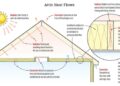
In addition to insulation, proper ventilation and moisture control are essential components of a successful roof insulation plan. Adequate ventilation helps prevent moisture buildup, which can lead to mold growth and structural damage. Incorporating ventilation systems and moisture barriers into the insulation plan will help maintain a healthy and energy-efficient environment in the building.
Installation Techniques for Top Roof Insulation
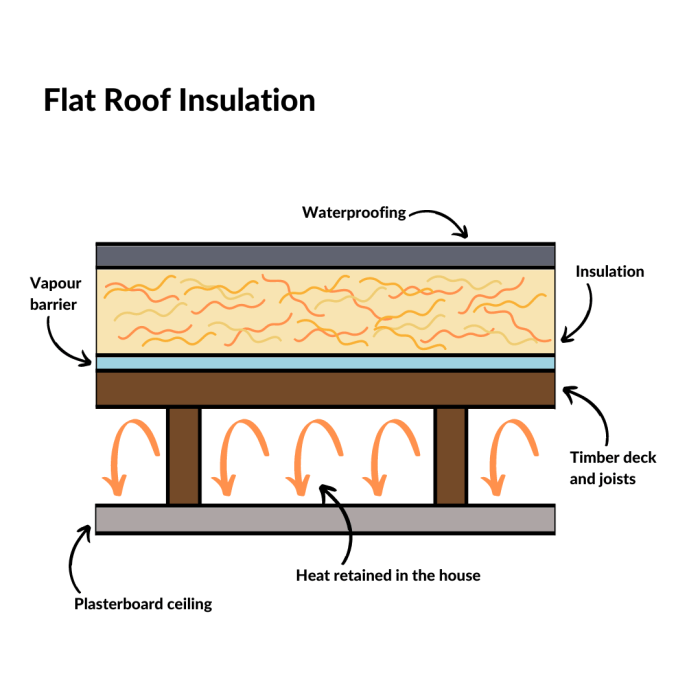
Installing roof insulation is a crucial step in ensuring energy efficiency and comfort in a building. Proper installation techniques can make a significant difference in the effectiveness of the insulation. Below, we will detail step-by-step instructions for installing roof insulation, compare different installation techniques, and provide tips for ensuring proper installation for maximum efficiency.
Step-by-Step Guide for Installing Roof Insulation
- Clean the roof surface to remove any debris or dirt that could affect the insulation's performance.
- Measure and cut the insulation material to fit the space between the roof joists or rafters.
- Place the insulation material snugly between the joists or rafters, ensuring there are no gaps or spaces.
- Secure the insulation in place using staples, nails, or appropriate adhesive, depending on the type of insulation material.
- Install a vapor barrier to prevent moisture from penetrating the insulation and causing damage.
- Seal any gaps or seams in the insulation with foam or caulk to ensure maximum efficiency.
Comparison of Different Installation Techniques
- Batt Insulation: Easy to install, but may leave gaps if not properly fitted.
- Spray Foam: Provides excellent coverage and seals air leaks, but can be more expensive.
- Rigid Foam Boards: Offers high R-value and moisture resistance, but may require additional sealing for optimal performance.
Tips for Ensuring Proper Installation
- Ensure a tight fit: Properly measure and cut insulation to fit snugly in the space.
- Seal air leaks: Use caulk or foam to seal any gaps or seams in the insulation.
- Consider professional installation: For complex roof designs or large areas, hiring a professional installer may be worth the investment.
- Regular maintenance: Inspect the insulation regularly to ensure it remains intact and effective.
Conclusive Thoughts
In wrapping up our discussion on top roof insulation plans, we have explored the key factors, installation techniques, and materials that contribute to an efficient insulation plan. By understanding these components, you can ensure your roof is well-protected and energy-efficient.
FAQ Section
What are the benefits of effective roof insulation?
Effective roof insulation can lead to reduced energy costs, improved comfort levels, and increased property value.
How do I evaluate the R-value of insulation materials?
The R-value measures the insulation material's ability to resist heat flow. The higher the R-value, the better the insulation's effectiveness.
Which installation technique is best for maximum efficiency?
The best installation technique depends on various factors such as budget, climate, and roof type. Consulting with a professional can help determine the most suitable method for your needs.